
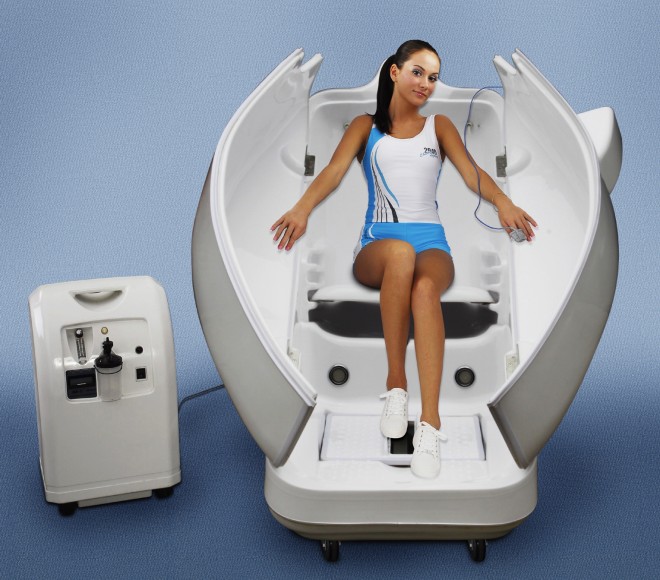
HOCATT (Hyperthermic Ozone & Carbonic Acid Transdermal Technology) is a multi-modality wellness chamber that combines steam, ozone, transdermal CO2, far-infrared light, EWOT (exercise with oxygen) and electrotherapy in a single 30-minute session. Most people tolerate the protocol well, but because the chamber concentrates several physiologic stressors at once, knowing what to expect — both common and rare — protects you from surprises. The walkthrough below distinguishes routine, self-limiting effects from signals you should pause and check on, and lists the patient groups who should not enter the chamber at all without clearance from a physician. If you have been cleared and are ready to book, see our HOCATT ozone sauna session in Houston page for what to expect and how to schedule.
HOCATT therapy is a great way to revitalize your body and gain different kinds of health benefits. The users of this treatment have given positive reviews of this therapy but one important query that has invaded. The minds of new users is to know what are the side effects of the HOCATT sauna. They want to know if they can face any allergic reactions or intense skin or health issues. Because of taking this therapeutic treatment. Many people want to lose weight too and for that knowing the 6-week plan ozempic weight loss results is suggested.
What Are The Side Effects Of The HOCATT Sauna? 6 Vital Factors To Consider:
The following are the critical side effects you should know to learn. What are the side effects of the HOCATT sauna?
Feeling Dehydrated:
What are the side effects of the HOCATT sauna? The first side effect is that spending time in a hot environment of the chamber. To produce sweat is essential for removing toxins. But it can prove negative for your health when you start feeling dehydrated and feel dizzy. Professionals must help you to stay hydrated before, during, and after the treatment. Even after days of taking this treatment, you should not compromise on your hydration schedule and drink water adequately.
Intense Heat Sensations:
What are the side effects of the HOCATT sauna? The second side effect is that the specific intense environment in the HOCATT chamber is not suitable. And bearable for all users. Because many users have various health conditions and diseases like heart issues or heat sensitivity which leads to negative effects. On their health when they spend too much time in such an environment. Such users can feel uncomfortable and overheating because of the excessive heat.
It is suggested that you should discuss your health situation with a qualified and experienced healthcare provider. To ensure you can take this treatment without any issues and if it’s not suitable for you. He can provide you with effective alternatives.
Sensitive Skin Issues:
The third side effect is that because of the intense heat and sweaty environment, many users can experience sensitive skin. Issues in which allergic reactions like red skin, rashes, and feeling itchy are common. It is suggested that professionals should continuously monitor your skin reactions while providing this treatment. And in case of any emergency or issues, you should stop the treatment to ensure the safety of the users.
Negative Effects On The Electrolyte System:
The fourth side effect is that when spending extended periods in the chamber while sweating can lead to losing electrolytes. Like sodium, potassium, magnesium, etc, which are responsible for the normal working of your body. You can feel tiredness, weak muscles, cramps, etc because of losing potential electrolytes. To ensure you can have balanced electrolytes in your body, eating a nutritious diet and drinking enough water daily. Is essential to improve your physical strength.
Breathing Ozone Gas:
The fifth side effect is that during the HOCATT treatment, users have to inhale the ozone gas. Which is an important procedure in HOCATT treatment. People have been using ozone therapy for a long time because of its unique benefits.
However, when you inhale too much ozone gas, it can affect the working of your respiratory system. You can feel out of breath, knots of tightness in your chest, prolonged coughing, and negatively affecting your lungs too. You must ensure to read all the safety guidelines and follow them during the treatment and take only those treatments. In which the chambers have proper ventilation systems.
Is The HOCATT Safe?
The sixth thing is to know about the safety level of HOCATT treatment. You should know that even though there are various potential side effects of this treatment. It can prove a safe and balanced treatment if proper environment and safety measures are adopted. Professionals must ensure to do a complete body assessment to see if you have any health conditions and diseases. That can prove a barrier to getting this treatment.
People who have a difficult medical history must do this step. It is also suggested that if the users are feeling uncomfortable or have any intense reactions during the treatment. They should instantly inform the professionals handling the treatment. Following all the guidelines before and after the sessions is also suggested. Many people also want to know about the ozone therapy Houston services.
Common HOCATT Side Effects: What Most Patients Experience
Most healthy adults complete a HOCATT session and walk out feeling warm, lightly fatigued, and a bit thirsty — nothing more dramatic than that. The effects below are the ones we see in roughly half of first-time visitors and they almost always resolve on their own within a day.
Mild dehydration and thirst. The 30-minute steam phase pulls out a noticeable volume of water and electrolytes. Expect dry mouth and increased thirst for the rest of the day. Drink at least 16 oz of electrolyte-fortified water within the first hour and another 32 oz over the next eight.
Transient fatigue or sleepiness. Heat and ozone both lower sympathetic tone after the session. Many patients feel ready for a 20-minute rest, especially after their first three visits. This usually fades after the body adapts to the protocol.
Light-headedness on standing up. Vasodilation from heat plus fluid loss can briefly drop standing blood pressure. Sit on the chamber bench for a minute, sip water, then stand slowly. Persistent dizziness is not normal — tell the technician.
Mild detox-style symptoms. A subset of patients (often those new to detox protocols, or those with significant toxic load such as mold or heavy metals) report a low-grade headache, brief nausea, foggy thinking, or muscle achiness in the 12 to 24 hours after a session. Hydration and a binder, if your provider has prescribed one, generally clear it.
Skin redness, flushing, or sweating well into the evening. Heat dilates skin capillaries; mild flushing for a few hours is expected. Persistent redness, itching, or rash is not — see the next section.
Rare or Severe Reactions: When to Stop and Call a Doctor
The reactions below are uncommon but require attention. Stop the session, exit the chamber, and contact our team or seek urgent care depending on severity.
- Respiratory irritation — chest tightness, wheezing, persistent cough, or burning sensation in the airway during or shortly after a session can indicate ozone exposure beyond the intended transdermal route (typically a chamber-seal issue). Stop and notify staff immediately.
- Symptomatic electrolyte imbalance — heavy muscle cramps, palpitations, or weakness in the hours after a session warrant electrolyte replacement and, if symptoms persist beyond 6 hours, a clinical evaluation.
- Vasovagal syncope — fainting on exit is rare and usually follows insufficient pre-session hydration in a sensitive patient. If it happens, it is worth a same-day check on heart rate, blood pressure, and electrolytes before resuming the protocol.
- Severe allergic skin reaction — hives, swelling, or blistering rather than a transient flush should be treated as a contact reaction. Cool the skin, take an antihistamine if you have one available, and call us so we can review which protocol component triggered it.
- Photosensitivity reactions — if you are taking a photosensitizing medication (certain antibiotics, retinoids, amiodarone) or just had photodynamic therapy, the chromotherapy lights inside the chamber can cause an exaggerated skin reaction. Disclose all medications during intake.
Any chest pain, severe shortness of breath, or symptoms that feel more cardiovascular than “detox” should bypass our office and go straight to urgent care or 911.
Who Should Avoid HOCATT Sauna
HOCATT layers heat, ozone, CO2, and electrotherapy in a single 30-minute window. That stack is well tolerated by most healthy adults but disqualifying or risky in several patient groups. We screen for these during intake and require physician clearance for borderline cases.
- Pregnancy at any trimester — elevated core temperature and ozone exposure are not considered safe for fetal development.
- Severe or uncontrolled cardiovascular disease — recent myocardial infarction or stroke (within 6 months), uncontrolled hypertension, symptomatic heart failure, or unstable arrhythmia.
- Active fever or systemic infection — the body is already managing a heat load; adding more is counter-productive and can worsen the illness.
- Severe respiratory disease — uncontrolled asthma, COPD with oxygen dependence, or active respiratory infection. Ozone (even at low chamber concentrations) can aggravate airway hyperreactivity.
- Implanted electrical devices — pacemakers, ICDs, or deep-brain stimulators are a contraindication when the EWOT/electrotherapy module is in use.
- Hyperthyroidism, severe anemia, or significant cachexia — these states tolerate heat poorly and can decompensate.
- Photosensitizing medications and recent photodynamic therapy — defer chromotherapy components until cleared.
If any of these apply, talk to Dr. Bismah Irfan, MD or your treating physician before booking. In many cases the protocol can be adapted (shorter session, no electrotherapy, modified ozone dose) once the underlying issue is controlled.
The Takeaway:
To conclude, what are the side effects of the HOCATT sauna? It is important to know that like every medical treatment or health and wellness treatment. HOCATT therapy also involves some concerning risks. However, taking necessary precautions and providing a balanced environment. To the users can save the extra hassle and extremely negative reactions. You must also visit IVitality to get further information on HOCATT treatment.
Frequently Asked Questions
How long do HOCATT side effects last?
Most short-term effects — light fatigue, mild dehydration, brief lightheadedness — resolve within 4 to 24 hours of the session. Detox-style symptoms (headache, slight foggy thinking) typically clear in 24 to 48 hours, and rehydration with electrolytes shortens recovery. Symptoms persisting more than 48 hours, especially respiratory or cardiac, warrant a clinician check.
Is HOCATT safe for people with high blood pressure?
HOCATT increases core temperature and circulation, which can transiently raise then lower blood pressure. Patients with controlled, mild hypertension typically tolerate it well, but uncontrolled hypertension, recent cardiac events, or symptomatic heart disease are reasons to defer. We screen blood pressure pre-session and require physician clearance for any cardiovascular history.
Can I do HOCATT during pregnancy?
No. We do not recommend HOCATT during pregnancy at any trimester. Elevated core temperature and ozone exposure are not considered safe for the developing fetus. If pregnancy is possible, postpone sessions and discuss alternatives with our team after delivery and lactation.
What should I do if I feel unwell during a HOCATT session?
Press the chamber's exit signal immediately — staff will open the door and assist you out. Once seated, hydrate with electrolytes, cool down with a damp cloth, and stay until vital signs are stable. Document the symptoms (when they started, severity, duration) and we will review whether to adjust dose, frequency, or rule out alternatives.
How often can I do HOCATT without risk?
For most healthy adults the standard cadence is one to three sessions per week with at least 24 hours between visits. Higher frequencies are sometimes used short-term under physician supervision (e.g., during acute Lyme protocols), but for general wellness more is not better — repeated heavy ozone and heat stress without recovery time can blunt benefit and increase fatigue.