Reviewed by Dr. Bismah Irfan, MD — May 2026
You’ve heard of antioxidants — the word is on every green-tea label and vitamin bottle. But there’s one your body makes itself, keeps in nearly every cell, and depends on far more than anything on a store shelf. It’s called glutathione — and many people have never had it discussed in a practical, clinically grounded way.
In a recent episode, Dr. Bismah Irfan, MD, the functional-medicine physician behind iVitality MD, calls glutathione the body’s master antioxidant, and makes a point of separating the hype from what actually helps: understanding what it does, and supporting your body’s own production of it.
“The right diet and lifestyle choices can help you support your body’s glutathione system — assisting your liver, kidneys, and whole body in their normal clearance and repair work.” — Dr. Bismah Irfan
This article breaks down what glutathione is, why it sits at the center of antioxidant defense and normal detoxification pathways, the everyday habits that support your own supply, where IV and precursor therapies fit, and — just as important — who should be cautious.
What Glutathione Actually Is
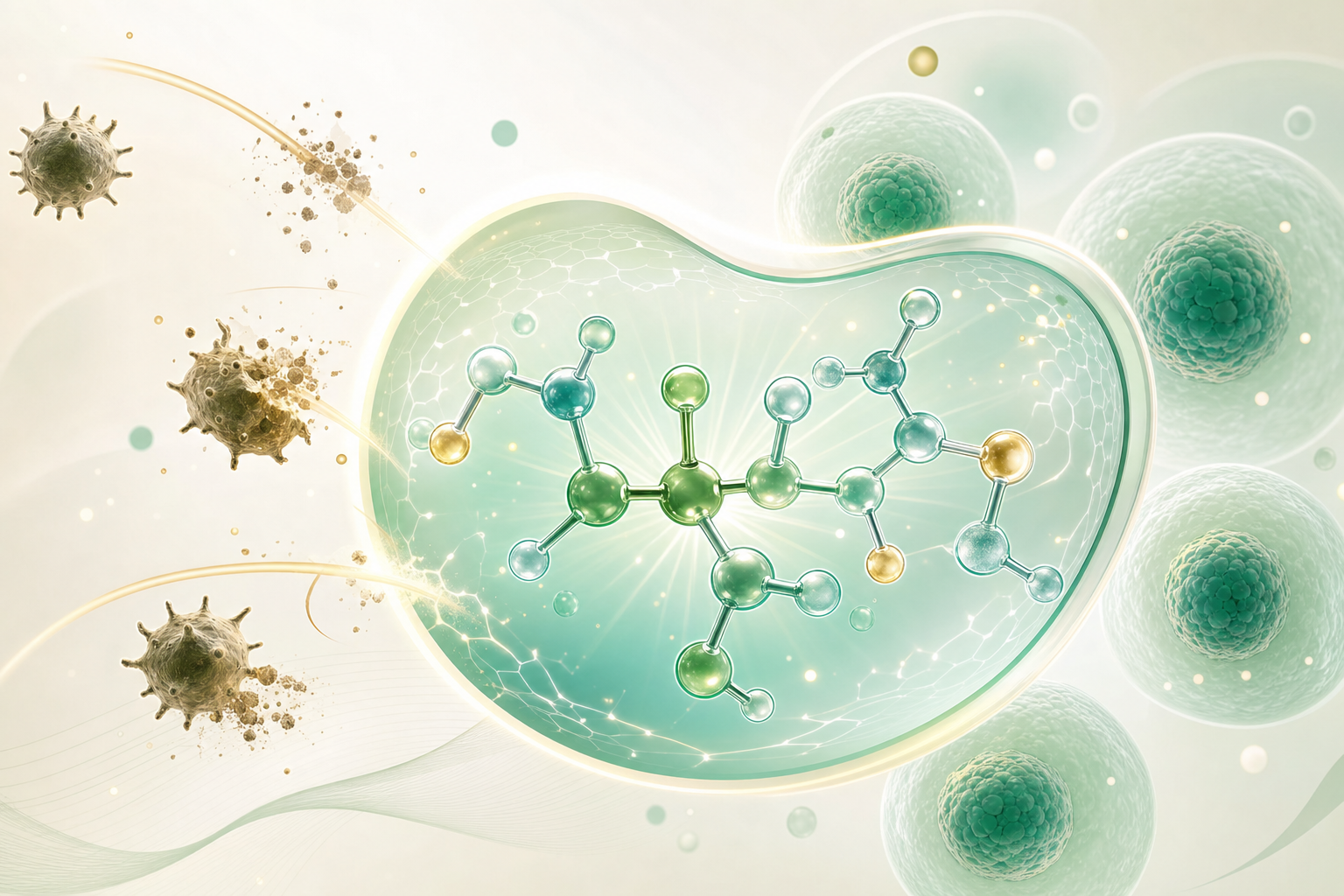
Glutathione is a small molecule — a tripeptide built from three amino acids: cysteine, glutamate, and glycine. Your body produces it continuously, and it’s found in nearly every cell, with especially high activity in the liver and kidneys: two organs doing much of the body’s clearance and metabolic processing work. Think of glutathione as your cells’ frontline cleanup crew. Its jobs include:
- Neutralizing free radicals — the unstable molecules that damage cells faster than the body can repair them.
- Supporting detoxification pathways — glutathione-dependent enzymes help make certain compounds easier for the body to process and clear.
- Recycling other antioxidants — it helps regenerate vitamins C and E so they can keep working.
- Supporting immune function — immune cells rely on it to do their job.
This is why glutathione comes up across so many areas of functional medicine: fatigue, immune resilience, healthy aging, toxin exposure, and the kind of low-grade oxidative stress that quietly accumulates over years.
Why It Matters: Oxidative Stress Is the Common Thread
Many chronic conditions share the same underlying problem — oxidative stress, which occurs when free radicals overwhelm the body’s antioxidant defenses. The research is clearest in conditions of high metabolic strain. In chronic kidney disease, for example, studies describe a pro-oxidant state driven in part by reduced glutathione and glutathione peroxidase activity — meaning the body’s antioxidant defenses are depleted exactly when they’re needed most. The same depletion pattern shows up in aging, chronic inflammation, and heavy toxin exposure.
That’s the real reason glutathione gets attention. It’s a defense system, and it gets depleted under the very conditions that wear the body down — aging, chronic illness, heavy toxin load. Supporting it means replenishing a system your body already depends on.
Dr. Bismah’s Foundation: Support Your Own Production First
Before anyone reaches for an IV or a supplement, Dr. Irfan emphasizes the daily inputs that let your body make and maintain its own glutathione. From the episode:
1. Eat sulfur-rich foods.
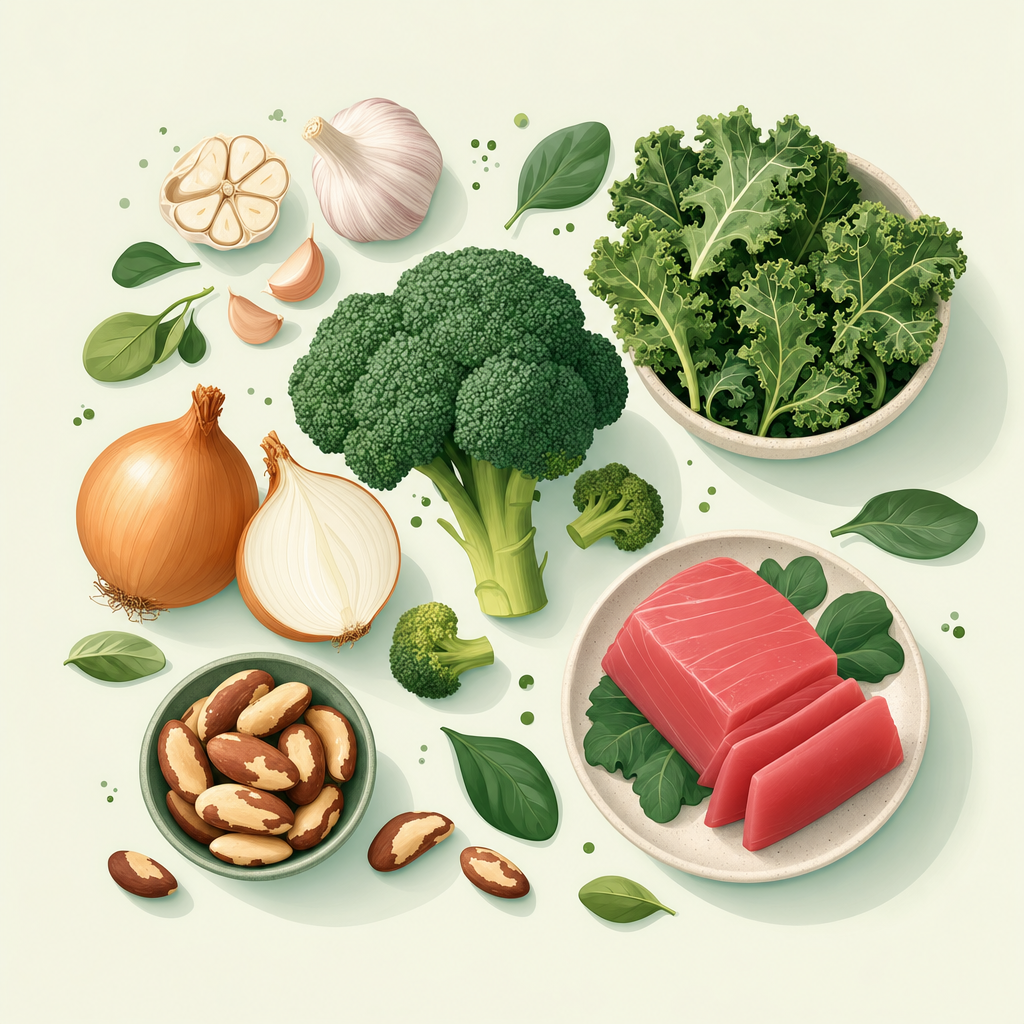
“Foods rich in sulfur — think garlic, onions, and cruciferous vegetables like broccoli and kale — help your body produce more glutathione.” Sulfur is a raw material for glutathione synthesis, which is why these foods are foundational.
2. Get enough selenium.
“Include selenium-rich foods like Brazil nuts and yellowfin tuna. Selenium is a vital cofactor for glutathione production.” This one is backed by solid biochemistry: selenium is built into glutathione peroxidase, the enzyme that puts glutathione to work. (A note: Brazil nuts are extremely concentrated — often one or two is enough, and more is not better because excess selenium can be harmful.)
3. Move your body.
“Regular physical activity has been shown to raise glutathione levels.” Consistent, moderate exercise supports the body’s antioxidant systems — another reason movement does more than burn calories.
4. Protect your sleep.
“When you rest, your body has the chance to recharge and replenish essential substances like glutathione.” Sleep is when much of that antioxidant restoration actually happens.
The theme is consistent with everything Dr. Irfan teaches: build the foundation through food and lifestyle first. Therapies work better on top of good inputs — not as a substitute for them.
Where IV Glutathione and Precursors Fit
For some people — particularly those under heavy oxidative load or with absorption challenges — food and lifestyle are the floor, not the ceiling. This is where functional medicine adds targeted support, and it’s part of what iVitality MD offers.
- N-acetylcysteine (NAC) is a well-studied precursor to glutathione — it provides cysteine, often the limiting building block, so your body can make more of its own. It still needs to be matched to the person, especially with asthma, medications, pregnancy, or reduced kidney function.
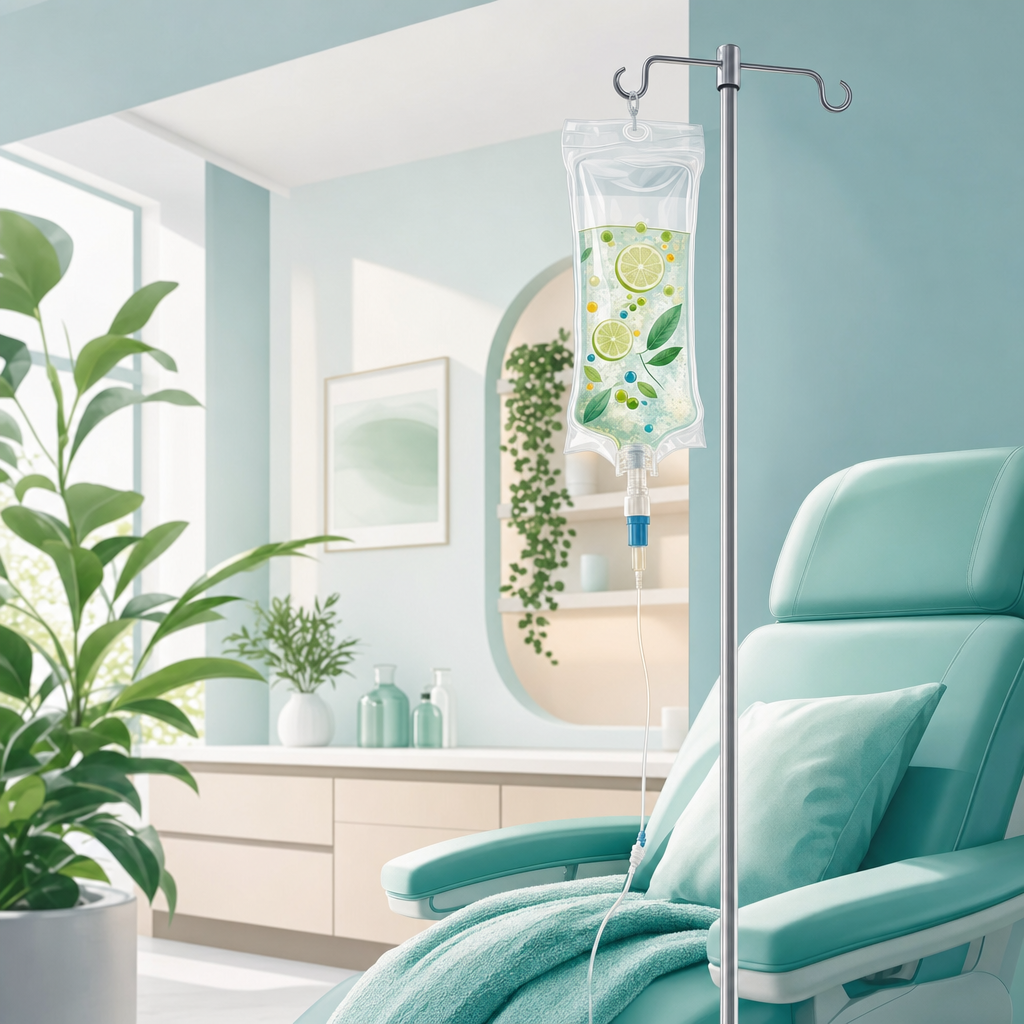
- IV glutathione delivers glutathione directly into the bloodstream, bypassing the digestive tract. At iVitality MD this is offered as the IV Superhuman Drip (NAD + Glutathione), used in functional and integrative practice to support antioxidant capacity — often as part of a broader IV-nutrient infusion protocol.
A clear-eyed note on evidence: IV glutathione is widely used, and many patients report benefits, but high-quality clinical-trial data for broad wellness use is still developing and outcomes vary from person to person. So it’s worth being precise about what it is — supportive care delivered by a clinician and tailored to your situation, not a guaranteed fix, detox cure, or treatment for a disease.
Who Should Be Careful
Glutathione and its precursors are generally well tolerated, but being well tolerated in general doesn’t make something right for every individual. Use professional guidance if you:
- Have reduced kidney function or are on dialysis — antioxidant and supplement choices need to be individualized and monitored.
- Have asthma — NAC can occasionally trigger bronchospasm in sensitive individuals.
- Are pregnant or breastfeeding — safety data is limited.
- Take medications — including some chemotherapy and nitrate medications, where antioxidant timing and interactions matter.
And the quality point that applies to every supplement: cheap, unverified products can contain fillers, contaminants, or undisclosed ingredients. Choose third-party-tested, professional-grade products — and, ideally, work with a clinician who can match the approach to your labs.
How to Put This Into Practice
- Start with food. Sulfur-rich vegetables most days; a modest, steady source of selenium; color and variety on the plate.
- Protect the basics. Consistent movement and real sleep do more for your antioxidant system than most people realize.
- Reduce the load. Every avoidable exposure is one less job for your antioxidant and clearance systems — worth reviewing alcohol, smoking, and environmental exposures.
- Add targeted support if it’s warranted — NAC or an IV protocol — guided by a clinician who knows your full picture, not a generic plan.
Three Key Takeaways
1. Glutathione is a central antioxidant system — and it is depletable. Oxidative stress, aging, illness, and toxin load can draw it down, which is exactly why supporting it matters.
2. Food and lifestyle come first. Sulfur-rich foods, selenium, exercise, and sleep give your body what it needs to make its own. This is the foundation Dr. Bismah teaches.
3. Targeted therapies layer on top. NAC and IV glutathione can support people under higher oxidative load — best used with realistic expectations and clinical guidance, not as a stand-alone promise.
The Bottom Line
Glutathione isn’t a miracle in a bag. It’s a system your body runs around the clock, and one that quietly struggles under the same pressures that drive fatigue, inflammation, and chronic disease. The functional-medicine approach is simple in principle: give your body the raw materials and recovery it needs, lighten the load it has to clear, and add targeted support when the situation calls for it. Done well, that supports your own biology rather than overriding it.
At iVitality MD in Houston, Dr. Bismah Irfan helps patients build that foundation and decide whether IV-nutrient or antioxidant support fits their individual picture. Book a consultation with iVitality MD →
Selected References
- Oxidative stress in chronic kidney disease. Renal Replacement Therapy, 2018.
- Red blood cell and plasma glutathione peroxidase activities and selenium concentration in patients with chronic kidney disease: a review. PubMed.
- Chronic Kidney Disease as Oxidative Stress- and Inflammatory-Mediated Cardiovascular Disease. Antioxidants (MDPI), 2020.
This article is for educational purposes only and does not constitute medical advice, nor a claim to treat or cure any condition. Supplements and IV therapies can interact with medications and may not be appropriate with certain health conditions, including reduced kidney function. Always consult a qualified physician before starting any new supplement or therapy.
Frequently Asked Questions
What is glutathione?
Glutathione is an antioxidant your body makes itself and keeps in nearly every cell, where it neutralizes oxidative stress and supports detoxification. It is often called the body's master antioxidant.
How can you increase glutathione naturally?
The most durable approach is supporting your own production through adequate protein and sulfur-rich foods, the precursors your body needs, plus reducing the oxidative load from stress, poor sleep, and toxins. Supplements and IV options exist, but supporting production comes first.
Why does glutathione matter for health?
Because oxidative stress is a common thread in aging and many chronic conditions, and glutathione is one of the body's main defenses against it. Keeping levels healthy supports detox, immunity, and cellular resilience.