Your Brain Is Part of Your Biology — And It’s Time We Treated It That Way.
At IVitality MD, we don’t treat organs in isolation. Every therapy we offer — from EBOO and hyperbaric oxygen to hormone optimization and peptide therapy — is designed to restore function at the root level. Neurofeedback is the next logical step.
Your nervous system doesn’t just regulate your mood. It governs your hormones, your immune response, your inflammation pathways, your sleep, your energy, and your ability to heal. When the brain is dysregulated, everything downstream suffers. This is where qEEG and neurofeedback come in.
What Is qEEG Brain Mapping?
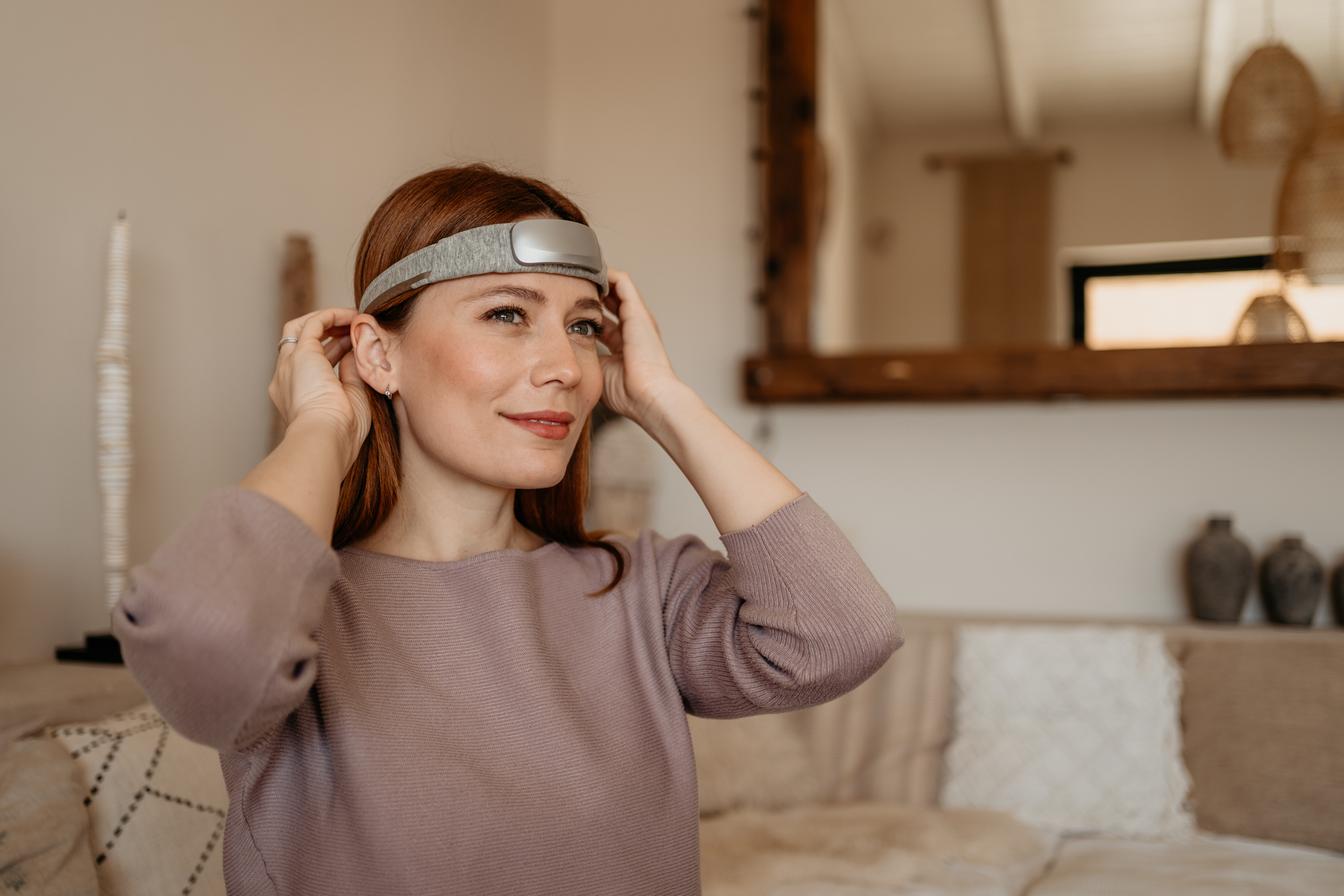
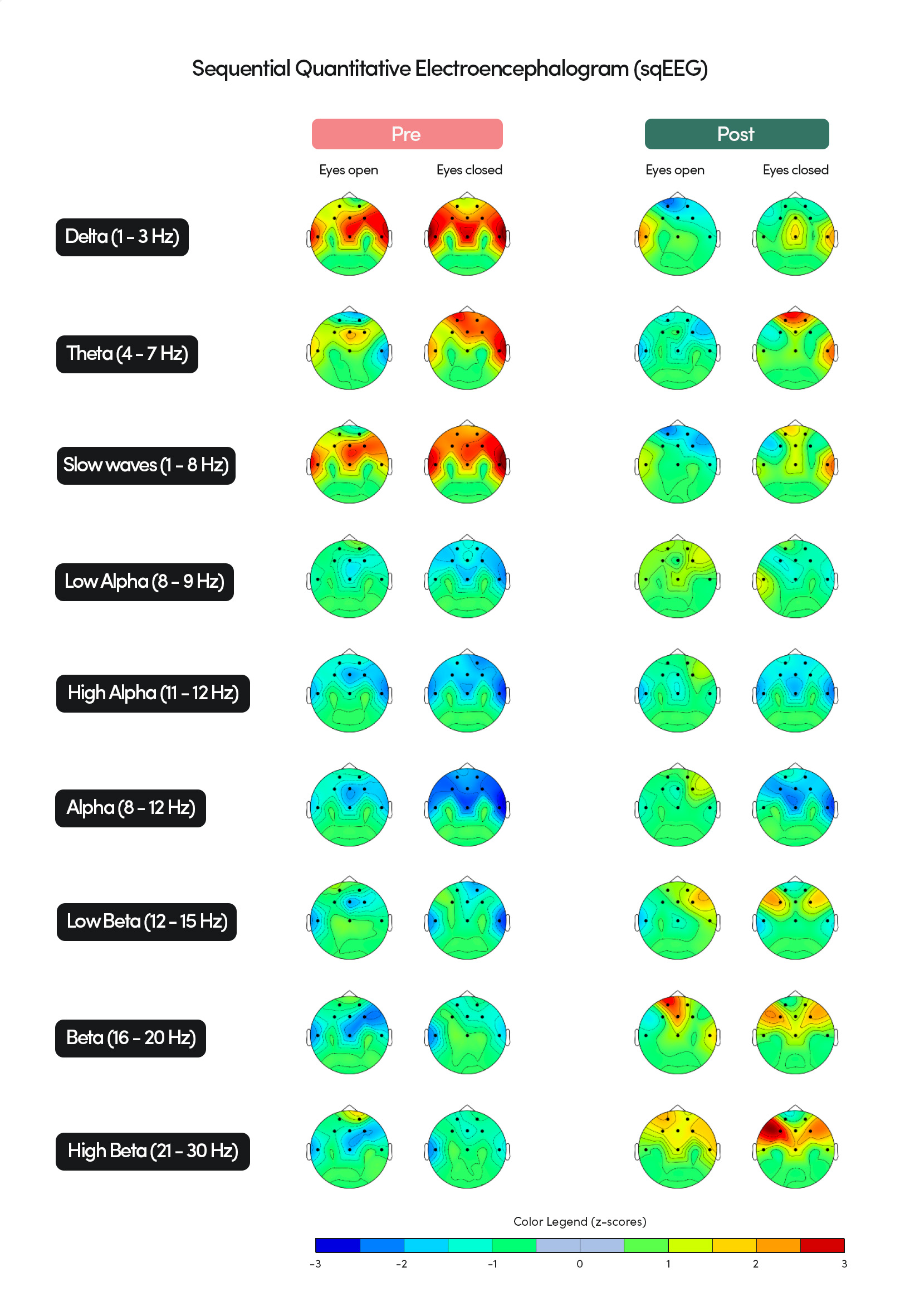
A quantitative EEG (qEEG) is a detailed map of your brain’s electrical activity. Using the Muse S Athena headband, we capture real-time brainwave data and compare it against one of the world’s largest normative qEEG databases. The result is a precise, personalized picture of how your brain is currently functioning — and where it’s under stress.
No guesswork. No “let’s see how you feel in six weeks.” Just data — mapped to a protocol designed for you.
What Is Neurofeedback?
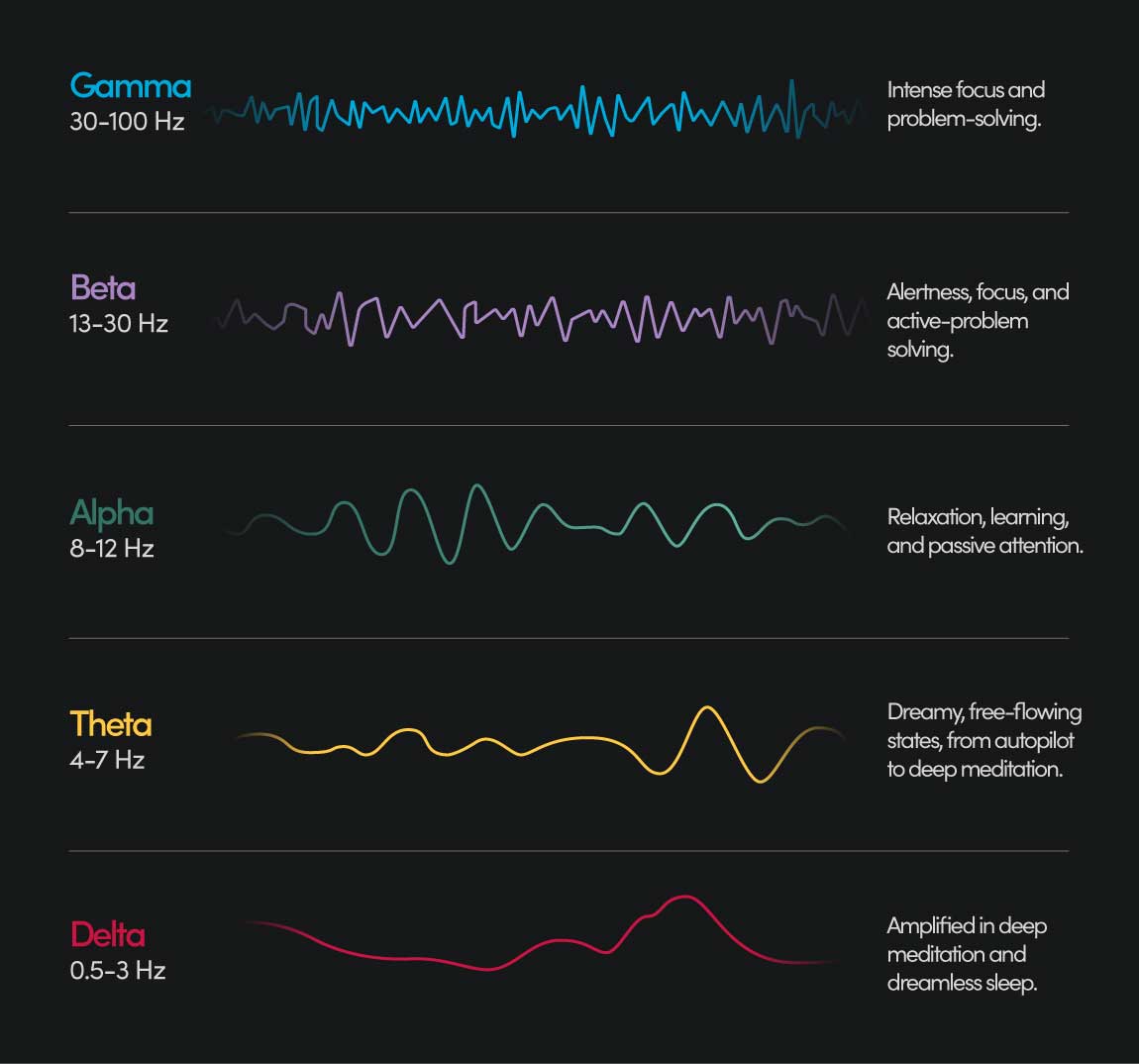
Neurofeedback is a form of brain training grounded in over 700 peer-reviewed studies. Using real-time feedback from your brain activity, the system teaches your nervous system to regulate itself more efficiently. Think of it as physical therapy — but for your brain.
Sessions are non-invasive, drug-free, and cumulative. Over time, your brain learns new patterns — and holds them.
Who Benefits from Neurofeedback at IVitality MD?
Neurofeedback is integrated into our care for patients navigating:
Chronic fatigue, fibromyalgia, and post-viral syndromes
Lyme disease and co-infections
Hormonal dysregulation and adrenal dysfunction
Autoimmune conditions
Brain fog, poor concentration, and memory issues
Anxiety, burnout, and stress-driven physical symptoms
Sleep disorders
Peak performance optimization — athletes, executives, and high performers seeking a cognitive edge
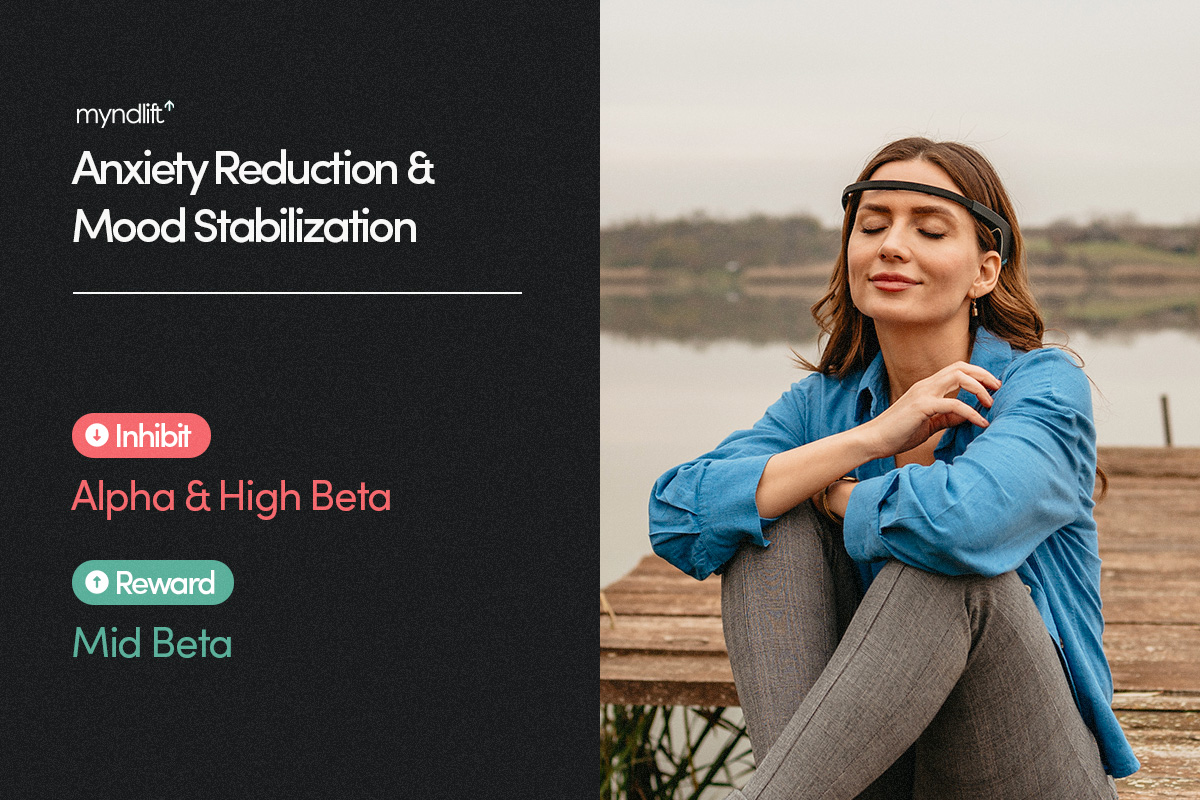
Anxiety reduction & mood stabilization
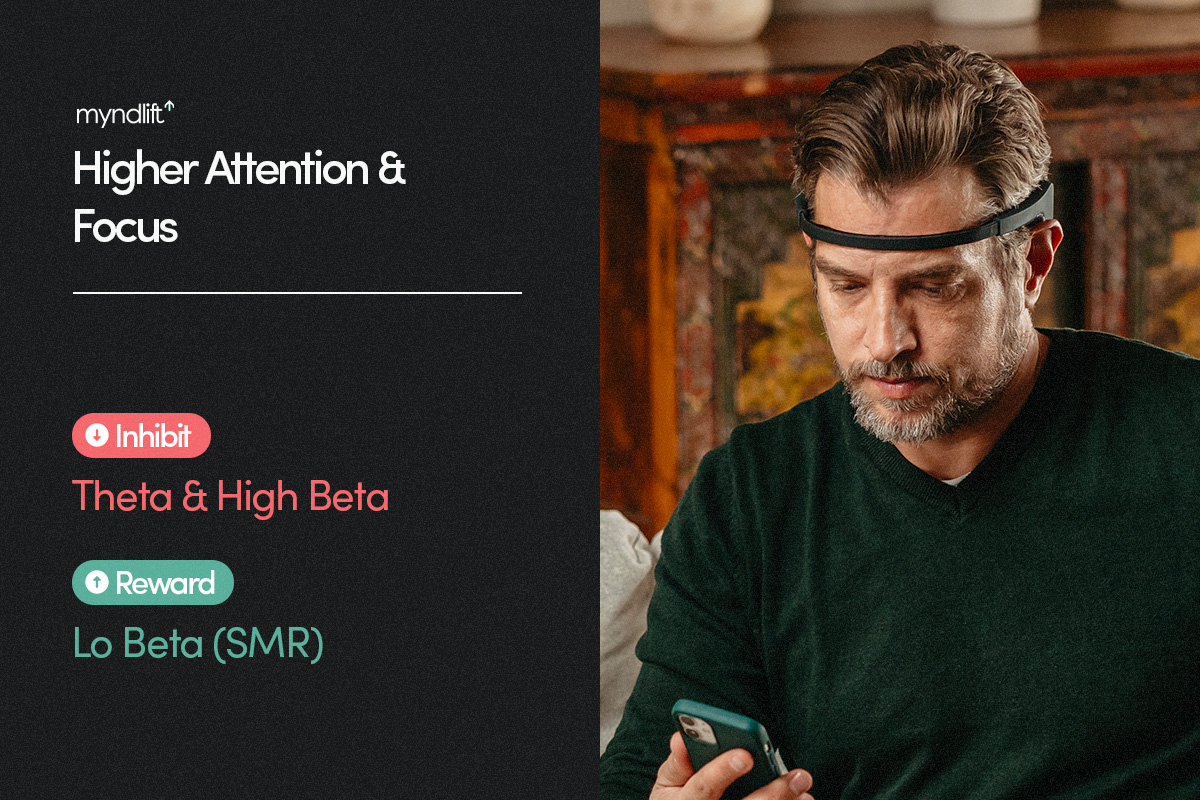
Higher attention & focus
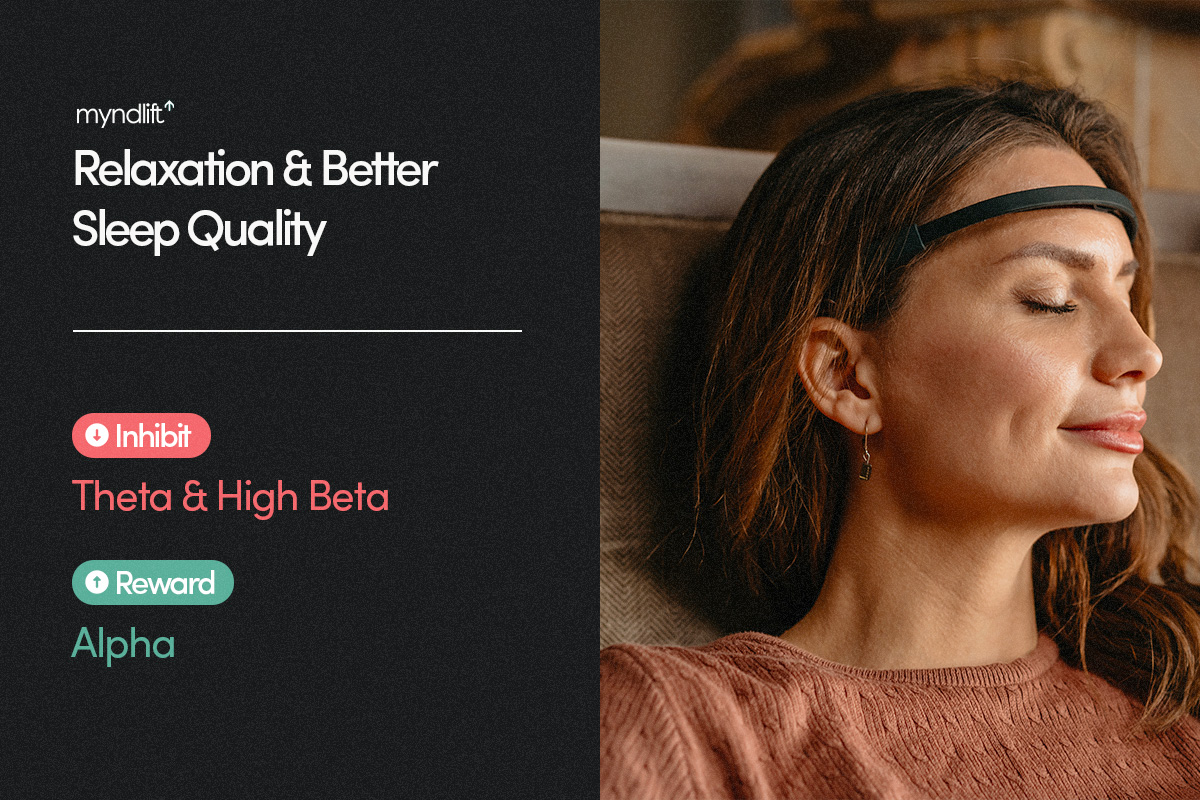
Relaxation & better sleep
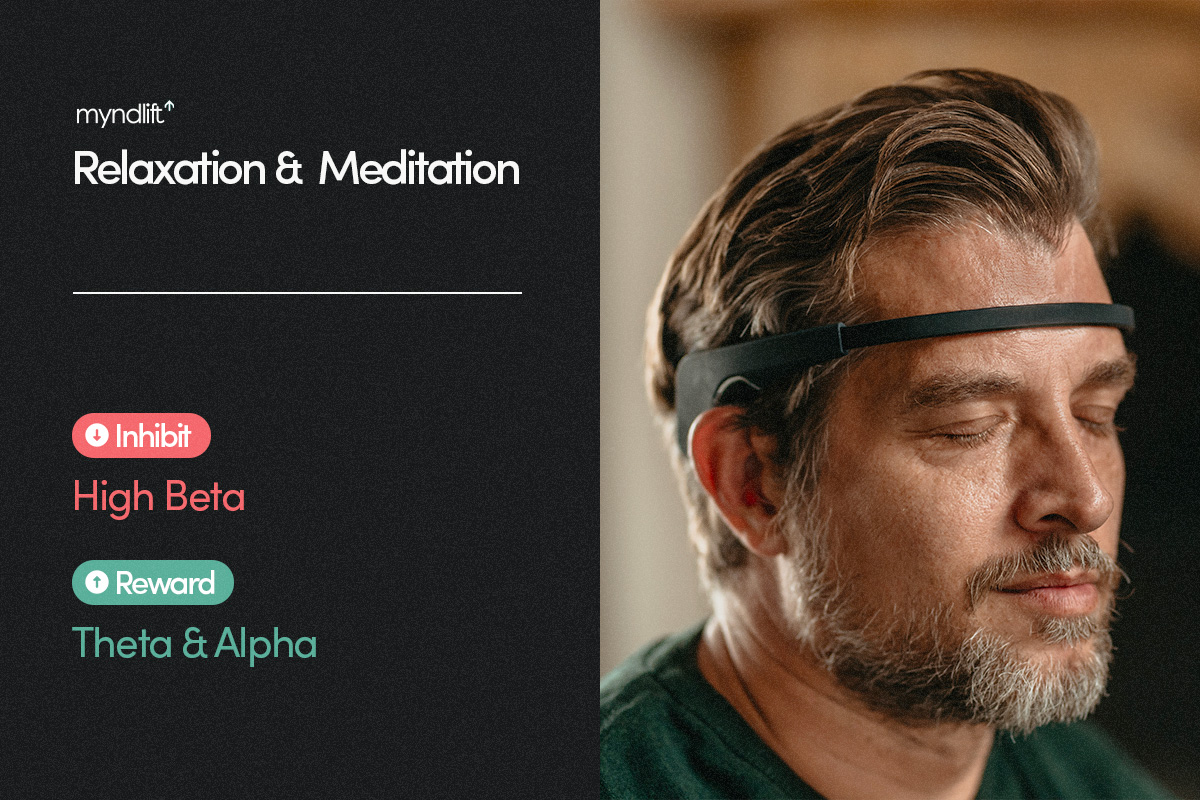
Relaxation & meditation
How It Works at IVitality MD
We offer two flexible pathways:
In-Clinic Sessions
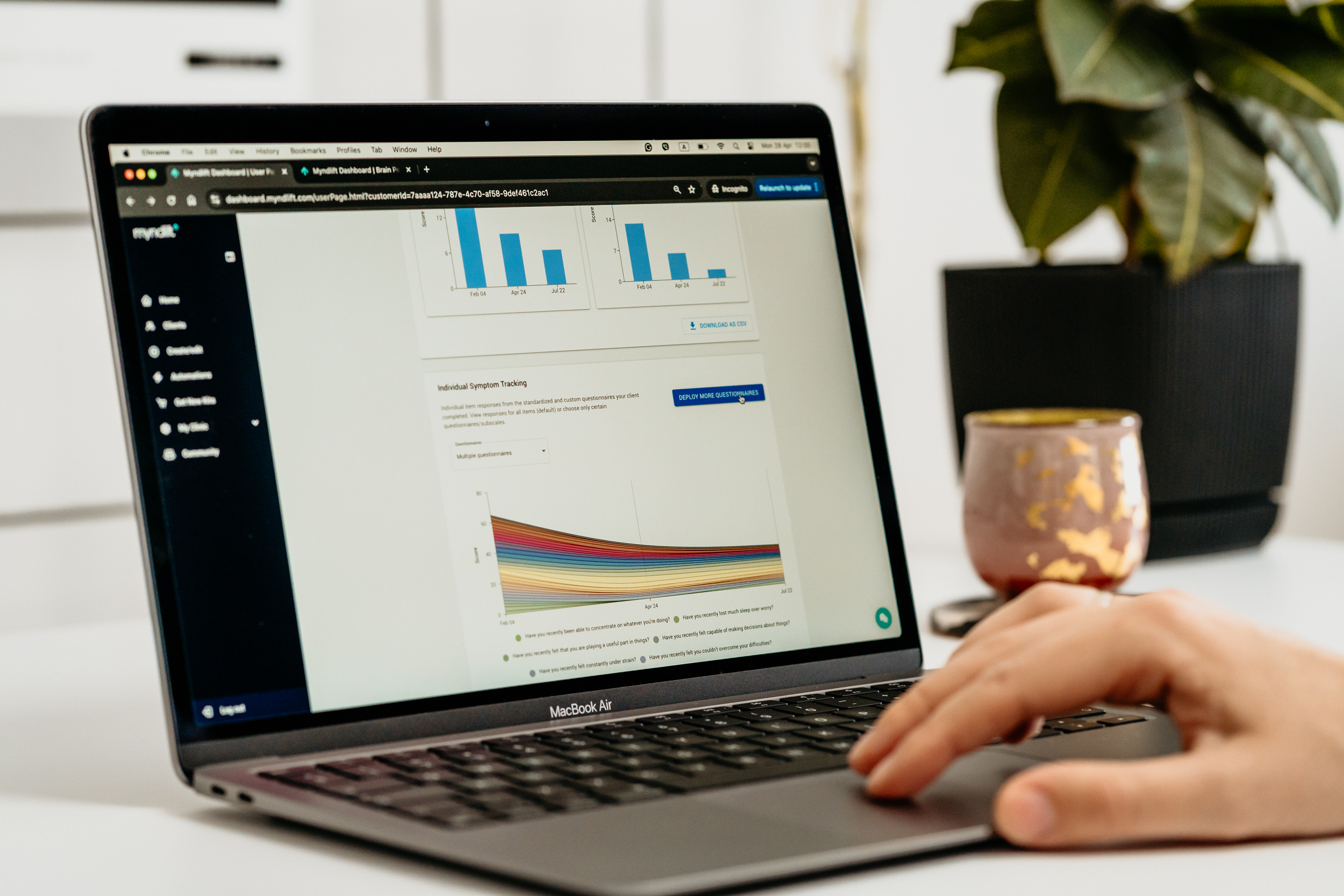
Train in our Houston clinic using the Muse S Athena headband and the Myndlift platform. Sessions are guided, monitored, and personalized by Dr. Bismah Irfan based on your qEEG data and ongoing biomarker tracking.
Remote Home Training
Once your baseline assessment is complete, many patients continue their neurofeedback training from home — using the same Myndlift app and headband, with Dr. Bismah Irfan monitoring your sessions remotely and adjusting your protocol as you progress. No clinic visit required to maintain momentum.
How Neurofeedback Fits Into Your IVitality Care Plan
Neurofeedback isn’t a standalone offering here — it’s integrated into your comprehensive protocol. We layer it alongside IV therapy, ozone, hyperbaric oxygen, hormones, and peptides to create a full-spectrum approach to healing and optimization. When your brain is regulated, everything else works better.
Resources & Downloads
Patient materials you can take home, save, or print:
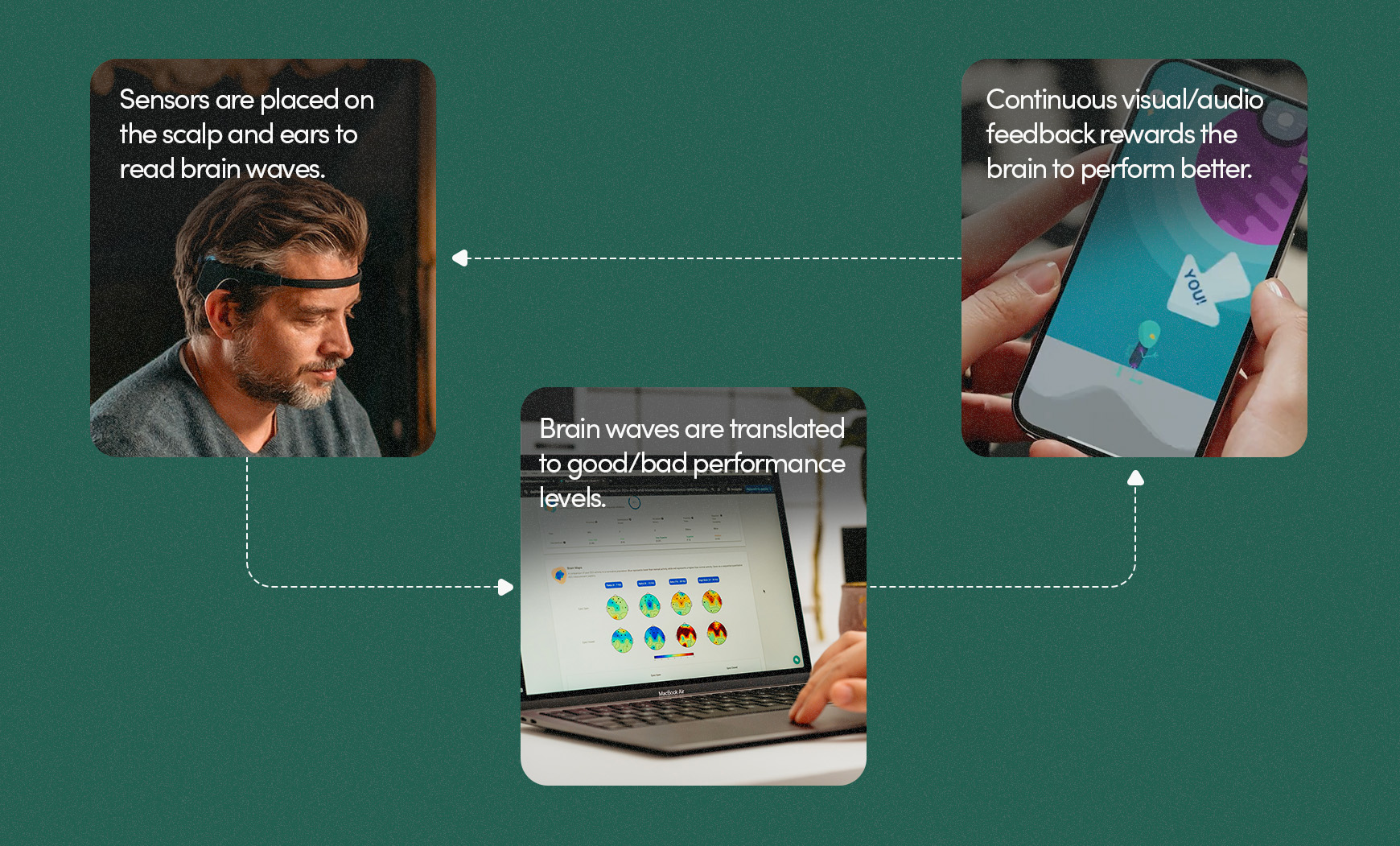
Neurofeedback is a form of neurotherapy that trains your brainwaves toward a healthier, more regulated state — a bit like exercise, but for your brain. It uses EEG technology to measure your brainwave activity and give you real-time feedback through visual or auditory cues (videos or games), letting your nervous system learn new, healthier patterns.
Is neurofeedback safe?
Yes. Neurofeedback is a safe, evidence-based therapy that has been used for decades. It is non-invasive and poses little to no side effects.
Is neurofeedback invasive?
No. Neurofeedback is completely non-invasive. During a session, dry electrodes are placed on your head and scalp to measure your brain activity — nothing is injected, implanted, or ingested.
Are there any side effects?
Side effects are rare and typically mild — some patients notice slight fatigue after training, similar to how your body feels after a hard workout. These effects are temporary and pass quickly.
How does a neurofeedback session work?
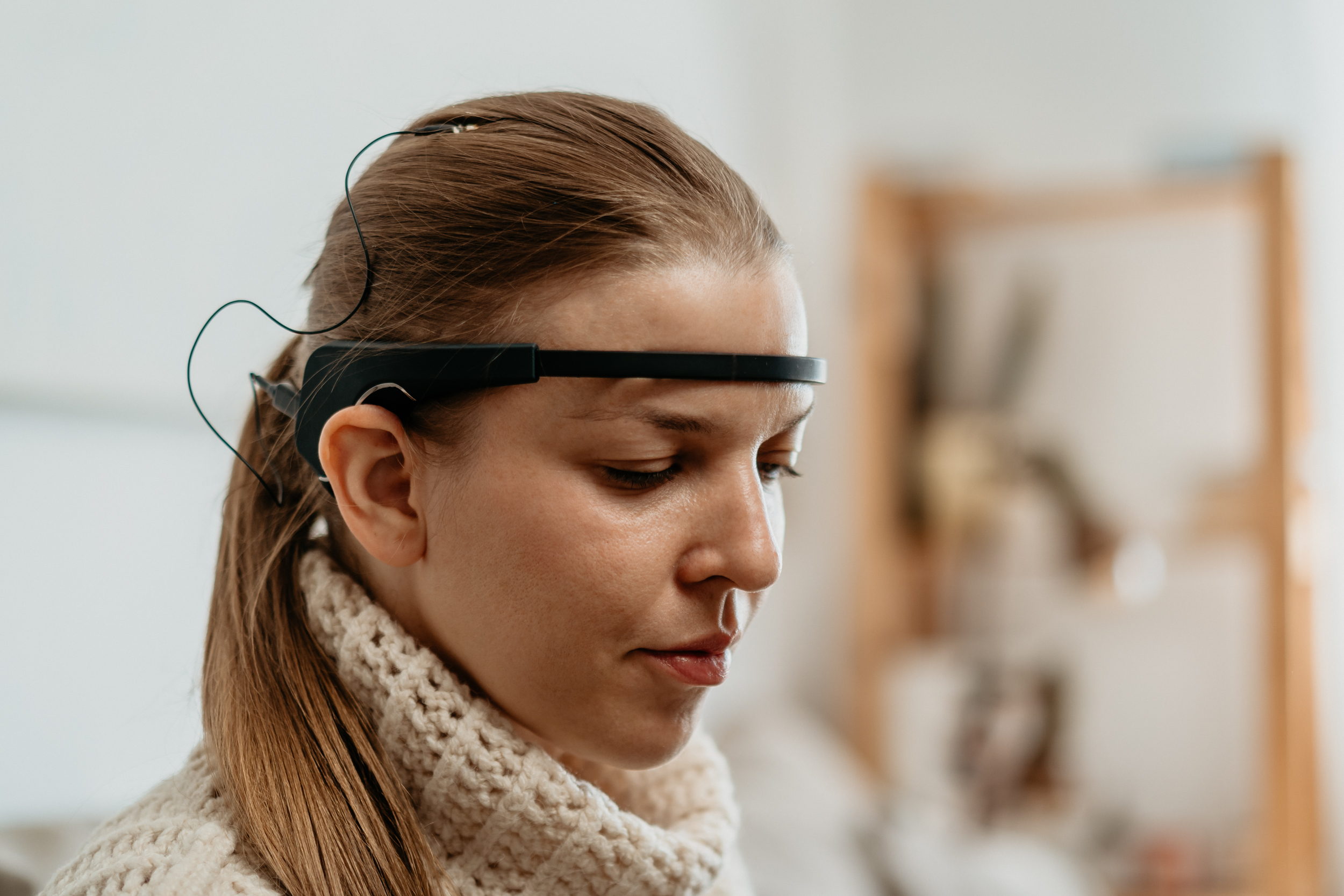
During a session you wear a dry-electrode headset (the Muse S Athena). While you watch videos or play simple games, the system gives you real-time feedback on whether your brainwaves are in the target state. Over many sessions, your brain learns to return to that regulated state more easily on its own.
What can neurofeedback help with?
Neurofeedback has been studied and used clinically for symptoms of ADHD, anxiety, PTSD, traumatic brain injury, chronic stress, sleep problems, brain fog, and more. It’s also used for performance optimization — focus, recovery, and mental endurance.
How long is a training session?
Sessions typically last 20–30 minutes. Most treatment plans include 30–40 sessions, scheduled based on your goals and the pattern your qEEG reveals.
What do I need to begin training at home?
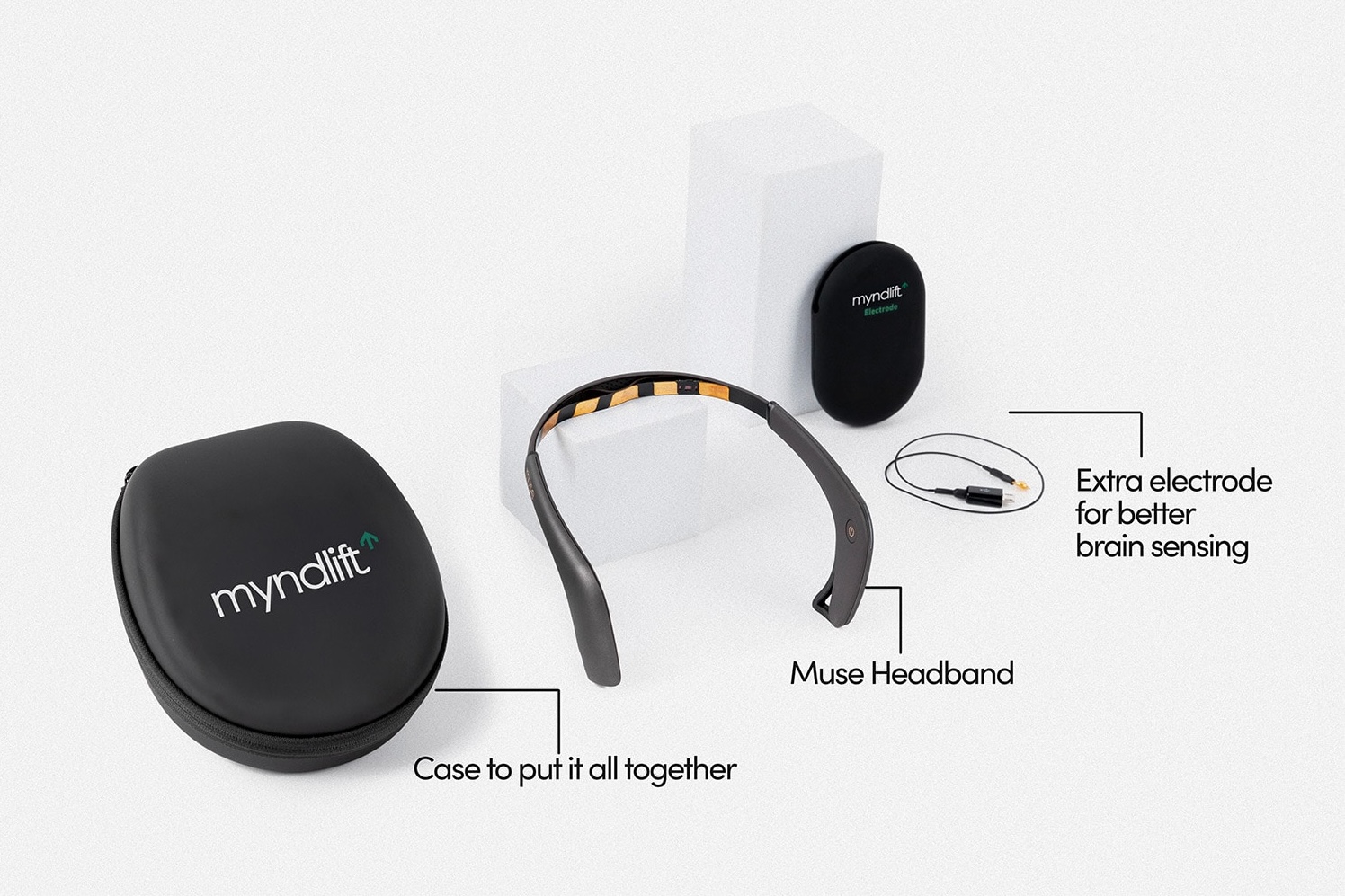
After your in-clinic qEEG assessment, we provide a training kit (Muse S Athena headset, external electrode, conductive paste), and you’ll need a phone or tablet and an internet connection. Dr. Bismah Irfan sets up your personalized training protocol in the Myndlift app.
Where can I learn more about the science?
Neurofeedback is backed by over 700 peer-reviewed studies. We’re happy to share research relevant to your specific case — ask Dr. Bismah Irfan during your consultation, or contact us directly.
Ready to Map Your Brain?
Your first step is a brain mapping assessment. From there, Dr. Bismah Irfan will design a neurofeedback protocol tailored to your biology, your goals, and your existing care plan.